
Film Faced Plywood Order from Hungary
Published on — Case
Recently, Senpiao completed the first film faced plywood order for a Hungarian building materials importer.
Before working with us, the buyer already had several established plywood suppliers. Finding another source of film faced plywood was not the real challenge.
The problem was that the products they had been purchasing did not fully match the conditions of their projects.
The buyer was therefore looking for a plywood manufacturer that could understand the actual application, adjust the product specification where necessary, and maintain consistent quality across future orders.
What Did the Buyer Need from the Film Faced Plywood?
During our discussions, four requirements became particularly important.
1. Consistent Quality from Batch to Batch
For an importer buying plywood on a regular basis, one good shipment is not enough.
The buyer wanted better consistency in areas such as:
Core construction
Bonding quality
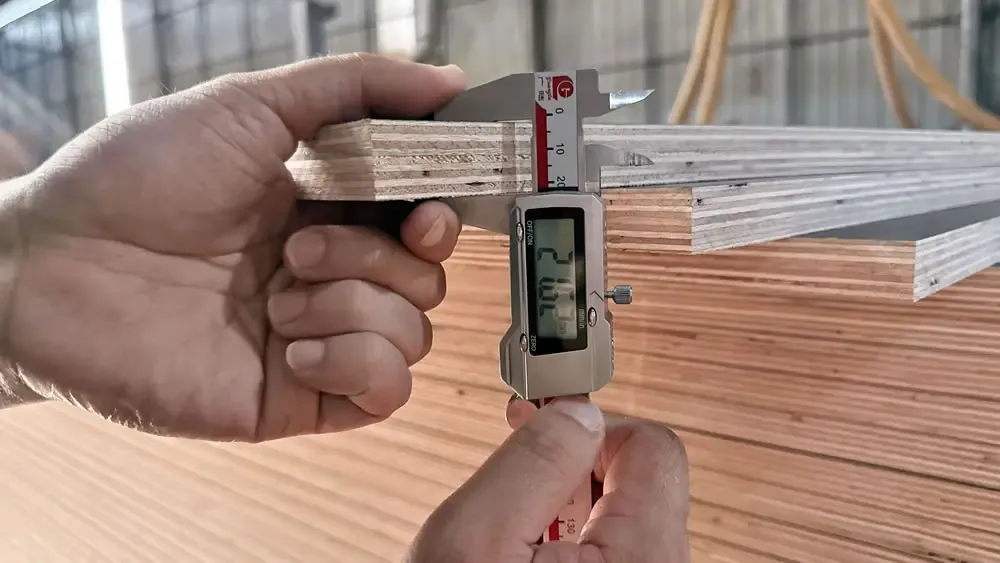
Thickness tolerance
Panel flatness
If these vary significantly between production batches, it can create problems for both distributors and contractors using the panels on site.
For this reason, consistent quality across repeat orders was one of the buyer's key requirements when evaluating a new plywood supplier.
2. Reliable Water Resistance
The plywood is intended for concrete formwork applications, where panels are regularly exposed to moisture, water and demanding jobsite conditions.
If the bonding between veneers is not stable enough, the plywood may be more susceptible to delamination or bonding problems during use.
Water resistance is also about more than the surface film.
Core veneer quality, adhesive selection, glue application, hot pressing and edge sealing can all affect how film faced plywood performs in wet conditions.
For this project, these factors needed to be considered together rather than simply changing the film on the surface.
3. Suitability for High-Temperature Conditions
The buyer's projects also required the plywood to perform under relatively high-temperature working conditions.
A standard formwork plywood specification was not automatically suitable for the application.
The product therefore needed to be reviewed around several factors, including:
Adhesive system
Core construction
Bonding stability
Hot-pressing conditions
Instead of offering an off-the-shelf specification, we discussed the product configuration based on the buyer's actual application requirements.
4. Better Performance Over Repeated Formwork Use
The buyer was also concerned about the performance of the panels over repeated formwork cycles.
For construction plywood buyers, the purchase price per sheet is only one part of the overall cost.
If panels begin to delaminate, warp, suffer edge damage or lose their surface film after only a limited number of uses, replacement costs can quickly increase the real cost of the plywood.
The buyer therefore wanted a more stable panel construction that could support better repeated-use performance under proper site handling and maintenance.
How We Adapted the Product to the Buyer's Requirements
After understanding the issues the buyer wanted to address, we did not simply recommend a standard film faced plywood product.
Instead, the product configuration was reviewed around the actual application.
Core Construction
Our production base is located in Guangxi, China, where eucalyptus veneer is readily available.
Based on the buyer's requirements for consistency and repeated use, attention was given to veneer selection, core arrangement and panel construction.
The aim was to provide a stable internal structure and good panel flatness as the foundation for bonding, pressing and subsequent formwork use.
Bonding for Water and Heat Resistance
Because water resistance and heat resistance were important requirements, the bonding system was a key part of the product configuration.
Film faced plywood consists of multiple layers of veneer bonded together. Even when the surface looks good, unstable internal bonding can become a problem under demanding site conditions.
For this reason, adhesive selection, glue application, bonding quality and pressing conditions were considered together.
Rather than focusing on a single specification, the goal was to make the overall panel construction better suited to the buyer's intended working environment.
Hot-Pressing Control
Hot pressing has a direct influence on bonding and overall panel stability.
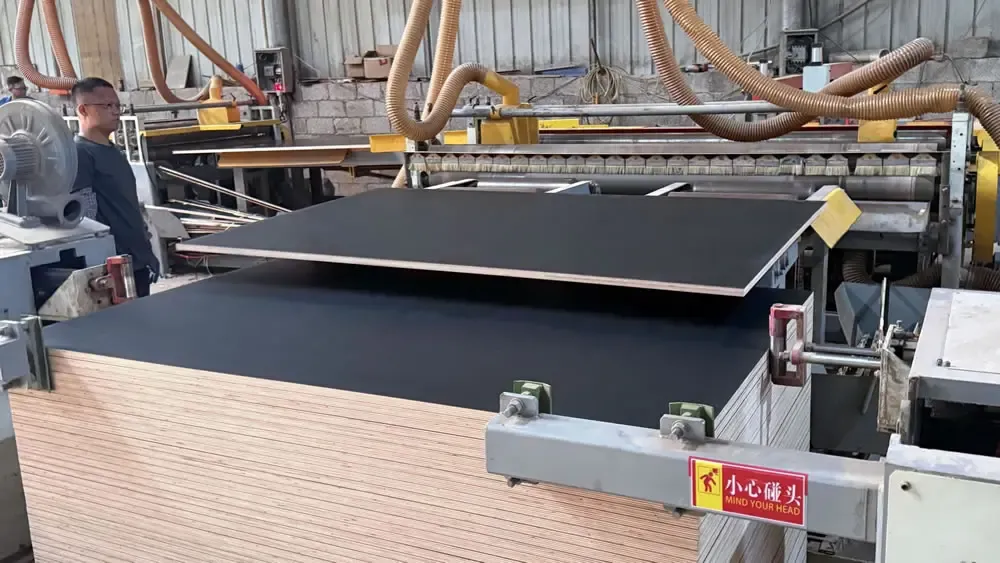
For this order, pressing conditions were controlled according to the agreed product requirements to achieve more consistent bonding between the veneers and adhesive.
Water resistance, heat resistance and repeated-use performance do not depend on one production step alone. They are influenced by the combination of raw materials, bonding and production control.
Repeated-Use Performance
Several factors can affect how film faced plywood performs over multiple formwork cycles, including:
Core quality
Bonding
Water resistance
Hot pressing
Film quality
Edge sealing
We did not promise the buyer a fixed number of reuse cycles.
Actual reuse depends not only on the plywood itself, but also on concrete conditions, form release practices, handling, storage and maintenance on site.
Instead, the product was configured around the buyer's working conditions with the aim of improving overall repeated-use performance.
Sample Review and Product Confirmation
The buyer had the opportunity to inspect our film faced plywood sample during the early stage of communication.
This gave the customer a physical reference for the panel construction, surface finish and overall product quality.
As discussions continued, we further confirmed the buyer's requirements for water resistance, heat resistance, consistency and repeated formwork use.
Based on these requirements, the product specification was finalized before the commercial order moved forward.
For different European projects, Senpiao can discuss product options including:
Panel dimensions
Thickness
Core construction
Adhesive system
Film color
Matte or glossy surface
Export packaging
Non-standard dimensions and special performance requirements can also be evaluated according to the application and order requirements.
From Product Confirmation to the First Order
For this Hungarian buyer, the decision to work with a new supplier was not simply about adding another sourcing channel.
The buyer already had several suppliers.
What they needed was a product that better matched the combined requirements for consistent quality, water resistance, heat resistance and repeated use.
After the product details were confirmed, the buyer approved the proposed specification and placed the first film faced plywood order with Senpiao.
During production, attention was given to the key points agreed with the customer, including core construction, bonding stability, pressing, film finish, thickness tolerance and overall panel condition.
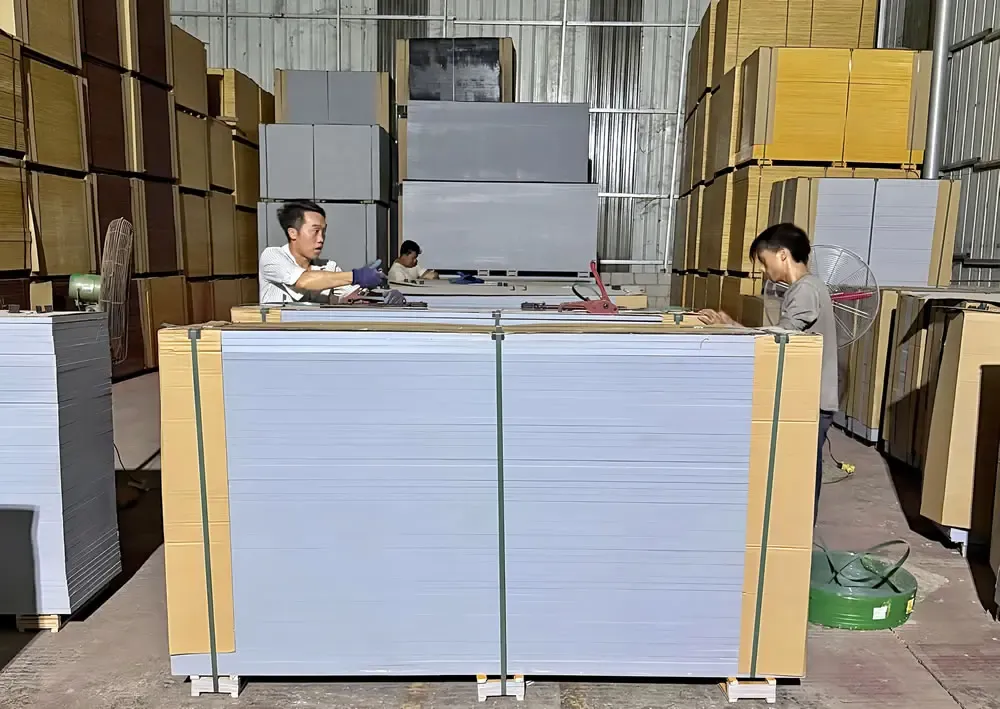
The finished plywood was inspected before shipment, and production and loading updates were shared with the customer.
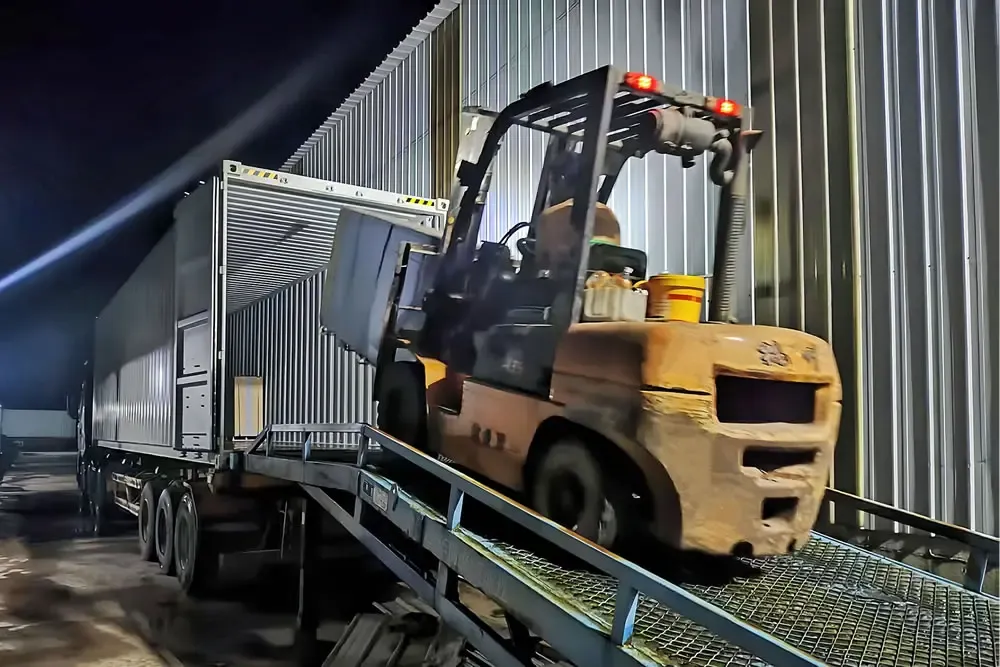
The first order has now been completed, inspected and loaded for shipment.
Project at a Glance
Existing plywood did not fully meet the project requirements
→ Buyer looked for a better-fit solution
→ Water resistance, heat resistance, quality consistency and repeated use were confirmed as key requirements
→ Product specification was adjusted accordingly
→ Sample reviewed
→ First order confirmed
→ Production and quality inspection completed
→ Order loaded for shipment
What Can Plywood Importers and Distributors Learn from This Case?
Having several plywood suppliers does not always mean having the right product for every project.
When film faced plywood is required to perform under demanding conditions, comparing only the price per sheet may not give buyers a clear picture of the actual cost in use.
For importers and distributors sourcing film faced plywood for concrete formwork, it is worth considering:
Whether the plywood is suitable for the actual jobsite conditions
Whether the core and adhesive system match the application
Whether the manufacturer can adjust the specification when a standard product is not suitable
Whether quality can remain consistent across different orders
Whether the supplier can support stable production and export requirements
If existing plywood repeatedly has problems with delamination, insufficient water resistance or poor repeated-use performance, simply switching to another standard low-cost product may not solve the underlying problem.
In many cases, it is more useful to first identify why the current plywood is not performing as expected, and then review the product specification around the actual application.
For immediate plywood inquiries, please contact us.