
12mm vs. 15mm vs. 18mm Film Faced Plywood: How Should Buyers Choose?
Published on — Blog
When sourcing film faced plywood for concrete formwork, buyers often ask the same question:
Should I choose 12mm, 15mm, or 18mm plywood?
There is no single thickness that is best for every project. The right choice depends on the formwork system, project requirements, panel size, expected use, handling, and purchasing budget.
From a manufacturer’s perspective, thickness should be confirmed together with the complete plywood specification rather than considered separately.
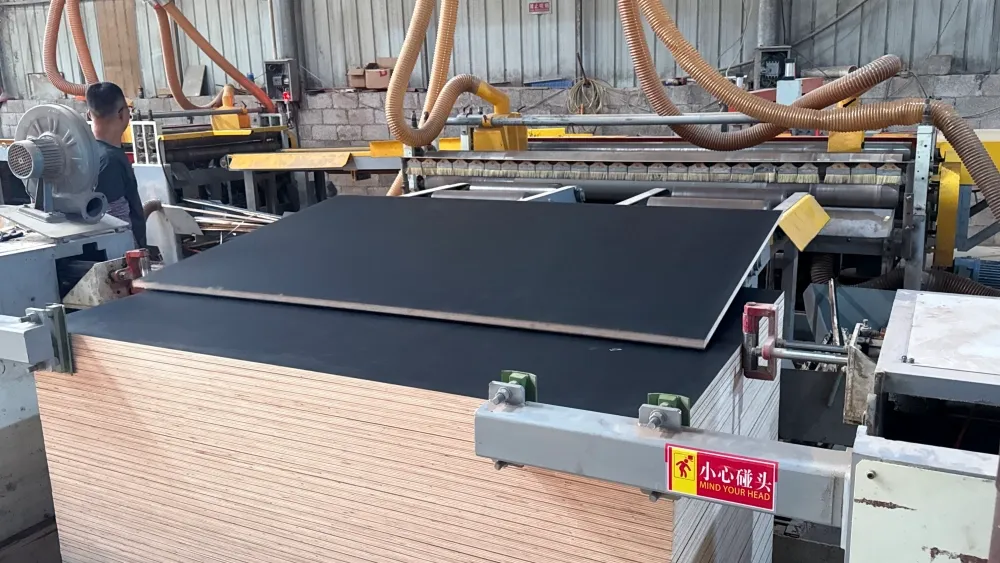
What Is the Difference Between 12mm, 15mm and 18mm Film Faced Plywood?
The most obvious difference is panel thickness, but changing the thickness also affects panel weight, material consumption, loading quantity and price.
This is why two buyers purchasing the same type of film faced plywood may choose different thicknesses.
Before comparing quotations, it is better to confirm what thickness is already being used for the project or in the buyer’s local market.
When Is 12mm Film Faced Plywood Used?
12mm film faced plywood can be considered when the required formwork specification calls for a relatively lighter panel and the project does not require a thicker board.
Compared with thicker panels, 12mm plywood is lighter to handle and uses less material per sheet.
However, this does not mean 12mm should automatically be chosen simply because it is lighter or less expensive.
The required panel size, support conditions, project application and other specifications still need to be confirmed.
For some markets, 12mm is also an established purchasing specification. For example, our Japan-market product range includes 1800×900×12mm and 1800×600×12mm film faced plywood.
When Should Buyers Consider 15mm?
15mm sits between 12mm and 18mm and is another specification we regularly receive inquiries for.
For buyers comparing several thickness options, 15mm can be considered when 12mm does not match the required specification but moving directly to 18mm is not necessary.
The final decision should still be based on the actual formwork requirements rather than treating 15mm as a universal “middle choice.”
When requesting a quotation, buyers can compare 12mm, 15mm and 18mm under the same core, glue, film and size requirements. This makes the price and loading differences easier to understand.
Why Is 18mm Film Faced Plywood Commonly Requested?
18mm is one of the common thicknesses we receive in export inquiries for concrete formwork plywood.
For projects already designed around an 18mm panel specification, maintaining the same thickness makes product comparison and repeat purchasing more straightforward.
However, a thicker panel does not automatically mean it is the right choice for every project.
18mm plywood is also heavier and uses more material per sheet, which affects product cost and container loading quantity.
That is why thickness should be selected according to the actual project specification rather than simply choosing the thickest available panel.
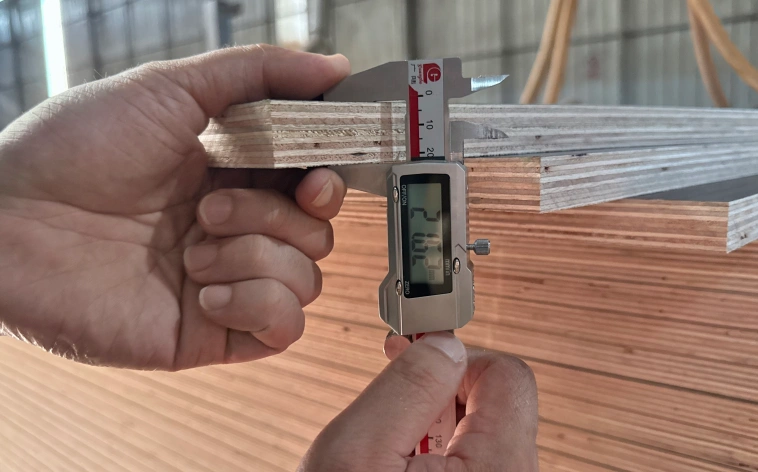
Does Thicker Film Faced Plywood Always Mean Better Quality?
No.
Thickness and overall plywood quality are not the same thing.
When comparing film faced plywood, buyers should also consider:
▪Core material and construction
▪Glue specification
▪Film surface and bonding
▪Actual thickness and tolerance
▪Panel flatness
▪Edge treatment
▪Required application and reuse expectations
A well-produced 15mm panel that matches the required specification can be a better choice for a particular project than an 18mm panel that does not.
For this reason, comparing plywood only by thickness or price per sheet can be misleading.
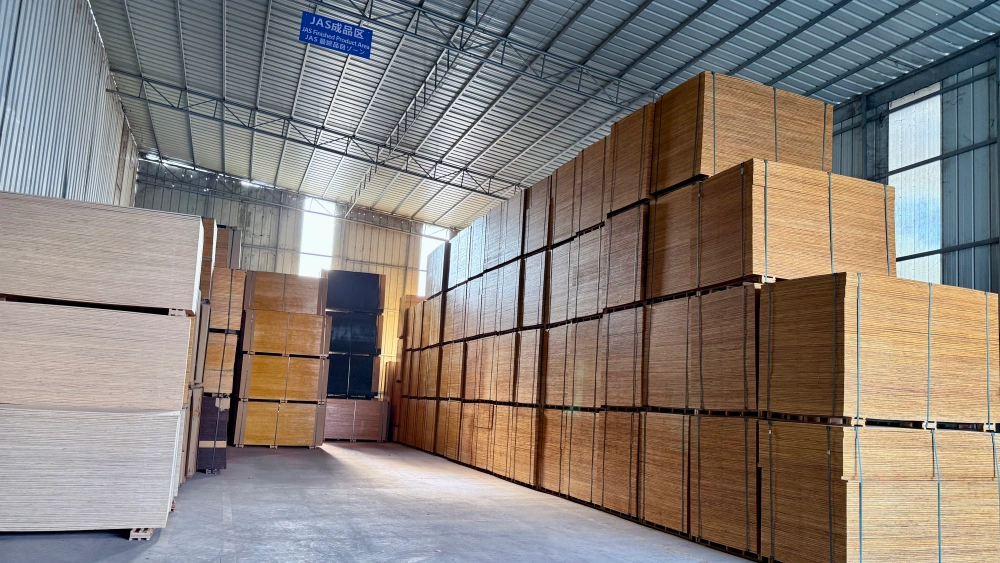
How Does Thickness Affect Container Loading?
Thickness and panel weight directly affect how many sheets can be loaded into a container.
Under the same panel size, thinner plywood generally allows more sheets per container, while thicker plywood reduces the number of sheets that can be loaded.
Actual loading quantity also depends on the plywood density, actual sheet weight, packing method and container weight limits.
For importers and distributors, this is worth checking when comparing the landed cost of different thicknesses.
What Should Buyers Confirm Before Choosing a Thickness?
Before deciding between 12mm, 15mm and 18mm film faced plywood, we normally recommend confirming the actual application first.
The key question is not simply:
“Which thickness is better?”
It is:
“Which thickness matches the specification and use of this order?”
Panel size, surface finish, core, glue, quantity, expected use and destination requirements should be considered together with thickness.
If the required thickness has not been finalized, comparing several options under the same specification can make the decision easier.
Conclusion
There is no single best thickness for film faced plywood.
12mm, 15mm and 18mm can all be suitable choices when they match the required application and product specification.
Instead of selecting a thickness simply because it is commonly purchased, buyers should compare the panel size, thickness, core, glue, surface specification, expected use, quantity and loading requirements together.
For import orders, confirming these details before quotation makes it easier to compare products from different suppliers and reduces specification changes later.
For immediate plywood inquiries, please contact us.